
Pet-safe flowers in New Zealand
A bouquet is meant to bring joy, not a trip to the emergency vet. If the person you are sending flowers to has a cat or dog, a few minutes of planning makes a real difference. The biggest risk is one many people don't know about: lilies and cats. Below we explain what SPCA New Zealand, the New Zealand Veterinary Association and international vet sources say, list safer choices, and point out some New Zealand native plants to watch.
True lilies and cats: the serious one
SPCA New Zealand names lilies as a cause of sudden (acute) kidney failure in pets, alongside raisins and grapes, and lists lilies among the plants to watch out for in New Zealand.
Vet guidance from the ASPCA explains the detail:
- True lilies (Lilium) and daylilies (Hemerocallis) can cause acute kidney injury in cats.
- All parts of the plant are toxic, and there are documented cases where exposure to the pollen alone caused kidney injury.
- Speed matters: treatment started more than 18 hours after exposure may be too late.
If you are sending flowers to a home with a cat, ask for a lily-free arrangement, and say so clearly in the order notes. Lilies often appear in festive and sympathy bouquets, so take extra care around Christmas and funerals.
Calla and peace lilies are a different story
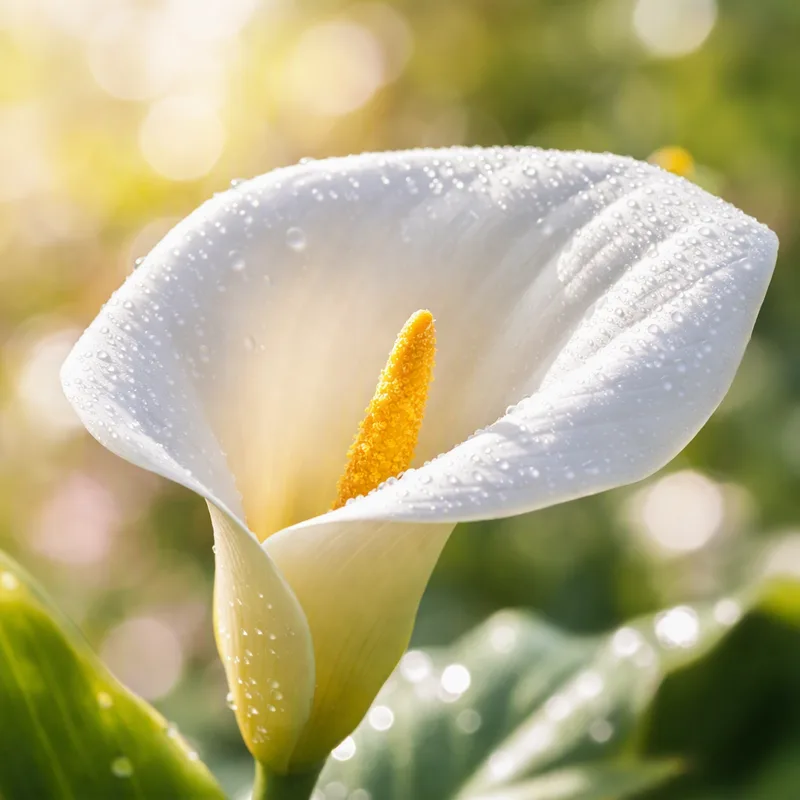
Not every plant called a lily is a true lily. The ASPCA explains that peace lilies contain insoluble calcium oxalate crystals, which cause oral pain, drooling, vomiting or diarrhoea, but not kidney failure. Calla lilies are reported to work the same way. They are still worth keeping out of reach, but they are not in the same danger category as true lilies.
So when someone says "no lilies", it helps to be specific. For a cat owner, true lilies and daylilies are the ones to rule out completely.
Ready to send? A local florist makes up and delivers the flowers.
Choose bouquetOrder by 2 pm on weekdays (11 am Saturdays) for same-day delivery in many areas
Flowers SPCA New Zealand lists as pet-safe
In its advice on planting a pet-friendly garden, SPCA New Zealand lists these among pet-safe plants:
- roses
- sunflowers
- snapdragons
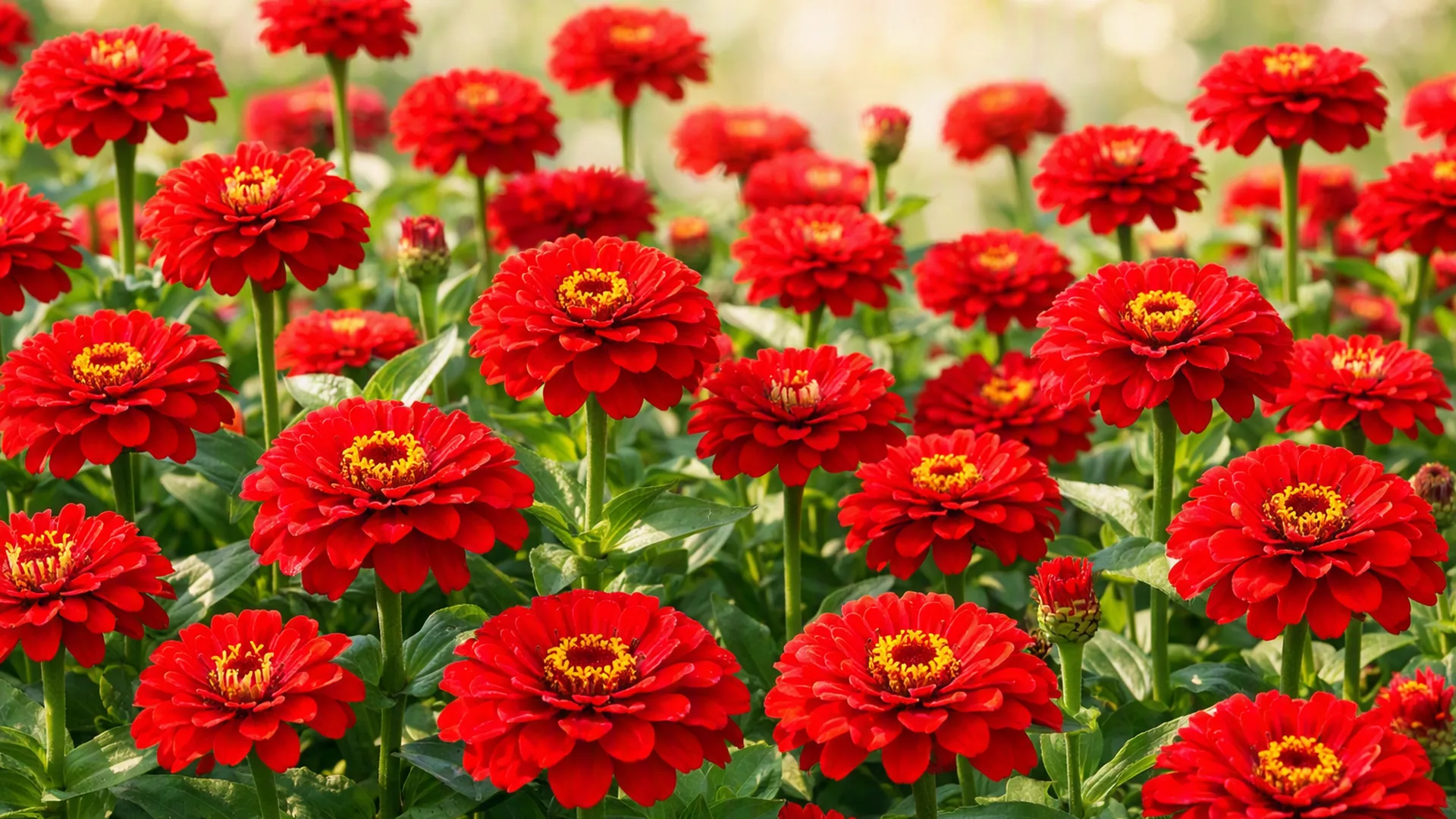
- zinnias
- asters
- marigolds
- cornflowers
- petunias
- alyssum
A rose-and-sunflower arrangement is one simple option drawn from that list. Note that the list is about plants pets might chew in a garden; any bouquet is best kept where curious animals can't get at it.
Common bouquet flowers to avoid around pets
SPCA New Zealand's list of plants to watch out for includes several flowers that often turn up in bouquets:
- Baby's breath (Gypsophila): a popular filler flower.
- Daffodils: especially the bulbs. Worth remembering in spring, around Father's Day.
- Foxgloves.
- Lilies.
Its list of plants that can be toxic to dogs also includes daffodil bulbs, gypsophila and cycads.
New Zealand natives to keep an eye on
Some of the plants pets meet in New Zealand gardens and parks are natives. The NZ Plant Conservation Network lists karaka, kōwhai, ongaonga, ngaio and tutu among poisonous native plants.
- Karaka berries: SPCA New Zealand warns they can be fatal if eaten by dogs. The New Zealand Veterinary Association says karaka fruits from January to April, that signs of poisoning can be delayed up to 48 hours, and that a single berry has killed dogs. Take your dog to the vet even if it seems fine.
- Kōwhai seeds: on SPCA's list of plants that can be toxic to dogs. All parts of the kōwhai are poisonous, the seeds most of all.
- Tutu: contains tutin, a convulsant for animals and people.
Native flowers are not sold as bouquet stock, so these risks mostly come from gardens and walks rather than from a florist. Our native flowers guide covers kōwhai and its relatives.
Ordering for a home with pets
A few habits make a pet-friendly order more likely to arrive the way you intended:
- Say it in the order notes. Write "no lilies, no gypsophila – cat in the house" (or dog), rather than relying on the bouquet's name or photo.
- Check the fillers. Baby's breath is often used to fill out arrangements, and it is on SPCA New Zealand's watch list, so ask for it to be left out or swapped.
- Think about the card. If you are not sure whether the recipient has pets, a line such as "chosen with your animals in mind" shows you thought about it.
- Watch the pollen. Because lily pollen alone has been documented to harm cats, any lily stems that do arrive should be removed before a cat can brush against them or groom the pollen off its fur.
- Plants as gifts. Potted plants carry the same risks as cut flowers, so check the plant's name against the SPCA lists before choosing one.
If your pet eats something
- Call your vet straight away, or the Animal Poisons Helpline on 0800 869 738 (charges apply).
- The National Poisons Centre on 0800 POISON (0800 764 766) is free and open 24/7, but it is for people. It says it is not expert in animal poisonings.
- Take a photo of the plant or the bouquet card, so the vet knows what was eaten.
For a hospital recipient, pets aren't the issue, but some hospitals restrict lilies too: Dunstan Hospital in Clyde asks visitors to avoid lilies and strongly scented arrangements.
Ready to send? A local florist makes up and delivers the flowers.
Choose bouquetOrder by 2 pm on weekdays (11 am Saturdays) for same-day delivery in many areas
Related guides
New Zealand's native flowers and what they mean
Kōwhai, pōhutukawa, rātā, mānuka, kākābeak and more: when New Zealand's native flowers bl…
What's in season: a New Zealand flower calendar
A southern-hemisphere flower calendar for New Zealand: what blooms in spring, summer, aut…
Where New Zealand's flowers come from
How New Zealand's flower industry works: what local growers export, where imported roses …
Hay fever season and sending flowers
About 1 in 5 New Zealanders have hay fever. When pollen season peaks, what really causes …
Making flowers last in a Kiwi summer
Why heat shortens the life of cut flowers, how New Zealand's regional summers differ, and…